
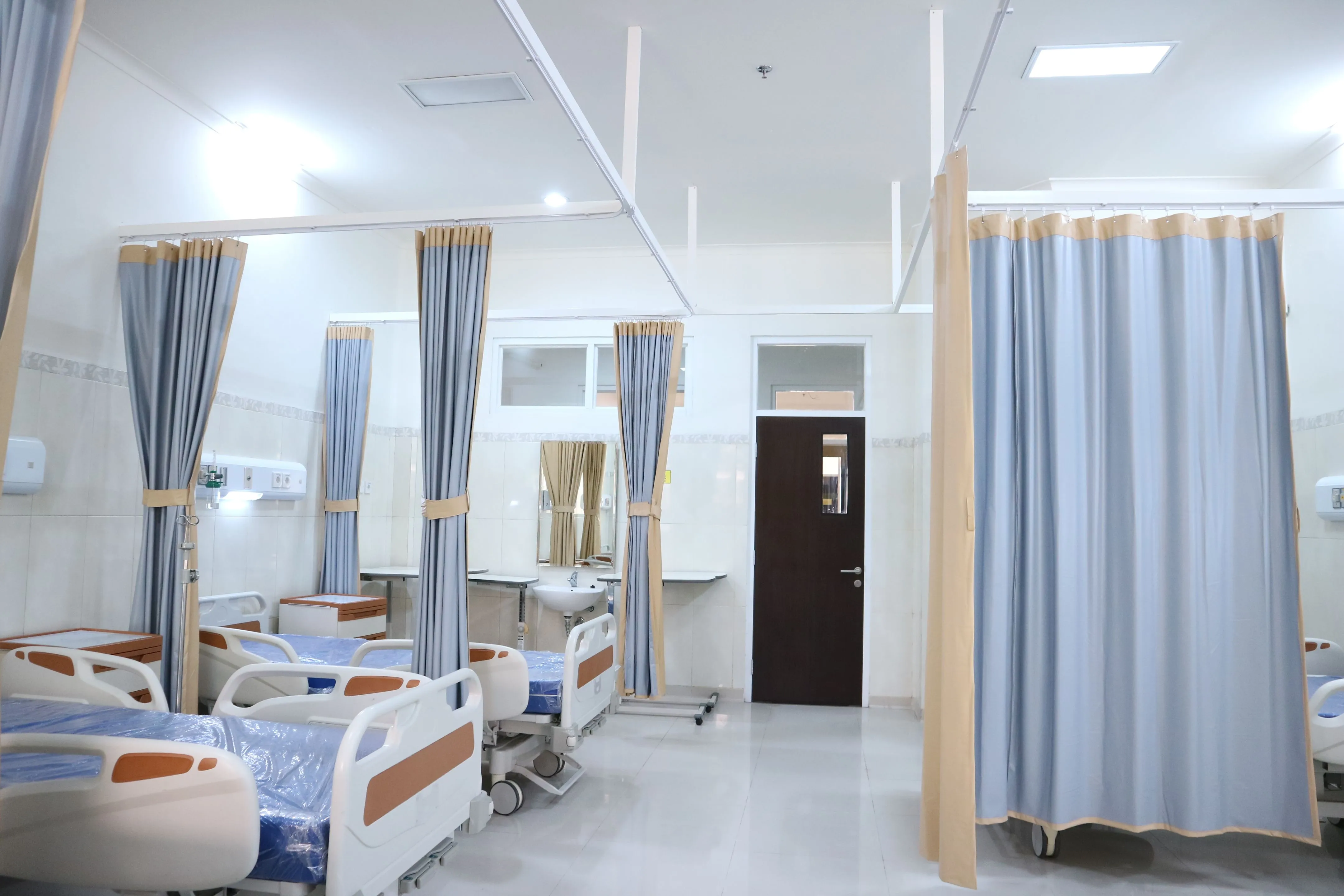
What should I do first if I get sick or hurt in rural Japan?
Tell whoever is hosting you — your inn, hotel, or guesthouse. Staff can phone a clinic, explain what happened in Japanese, and arrange transport far faster than you could alone. When you can’t make a Japanese phone call yourself, the front desk is your quickest route to care in the countryside.
The single biggest problem travelers hit isn’t the injury or illness — it’s not being able to make the phone call. Rural clinics rarely have English-speaking staff, and booking or asking for help happens by phone, in Japanese. Your accommodation bridges that gap: they know the local clinic, its hours, and how to get you there.
Working in rural tourism, the emergencies I’ve seen handled well all went the same way — the traveler told their inn early, and the staff made the calls. The ones that turned stressful were where someone tried to tough it out alone until options had closed for the day.
What can go wrong on rural outdoor activities?
Rural Japan is full of once-in-a-lifetime outdoor experiences — trekking, rivers, cycling, snow — the kind you’d never do at home. But more time in nature means more chance of injury: a broken bone on a trail, a sprained ankle in a river. You don’t avoid it by staying home; you prepare, know the risks, and don’t overreach.
The nature is a huge part of why the countryside is worth it — activities that become some of the best memories of a whole trip. That reward comes with real risk, though: fractures while trekking, sprains during river activities, slips on wet rock. Knowing what you’d do in advance is what keeps a small accident from turning into a crisis. And this isn’t rural-specific — being ready for illness and injury is essential any time you travel abroad.
How far is help in the deep countryside?
Farther than you’d expect, and it grows with remoteness. Small clinics handle minor daytime injuries, but the nearest emergency hospital can be an hour away, and night-time care is harder to reach. The deeper you stay, the more your plan has to account for distance and time.
In the rural area where I’m based, the nearest emergency hospital is about an hour away — and even an ambulance takes around 45 minutes to reach us. For a minor daytime injury a local clinic is fine; after dark, the options narrow fast.
Most rural areas do have a clinic or small hospital that can see you for something minor during the day. The gaps are night-time and anything serious, when distance becomes the real factor. Build that into your plans: the more remote your base, the more it pays to be cautious and prepared.
How do I see a doctor if I don’t speak Japanese?
Have your accommodation or the local tourism office call ahead to a clinic, and bring a translation app to describe symptoms. Rural areas have fewer clinics with shorter hours, so go early in the day. For anything you can’t handle locally, larger towns have hospitals with more capacity.
A few things make it smoother:
- Ask your inn or the tourism office to call first — they’ll find a clinic that’s open and can see you.
- Use a translation app to show your symptoms, injury, allergies, or medications in Japanese.
- Go early — rural clinics keep short daytime hours and may close in the afternoon.
- Bring cash and your insurance details — see cash, cards & country Japan.
What are the emergency numbers?
Dial 119 for an ambulance or fire, and 110 for police — free from any phone, including mobiles. For non-emergencies, JNTO’s Japan Visitor Hotline (050-3816-2787) gives English help 24 hours a day. In the countryside, an ambulance can take longer to arrive, so call early if it’s serious.
| Need | Number | Notes |
|---|---|---|
| Ambulance / fire | 119 | Free; say your location clearly and simply |
| Police | 110 | Free; for accidents, theft, or danger |
| Visitor help (English, 24h) | 050-3816-2787 | JNTO Japan Visitor Hotline — medical guidance & emergencies |
If you call 119, the operator may have limited English. Give your location first — the name of your inn or the nearest landmark — then the problem. If you can, have someone nearby who speaks Japanese take over the call.
What should I pack — and what if I have allergies?
Bring your own medication first. Pack what you take regularly, plus a small kit — painkillers, stomach medicine, plasters. If you have serious allergies, carry your EpiPen. Rural villages may have no pharmacy and shops close early, so don’t count on buying what you need once you’re out there.
Preparation is the whole game here. Stock a small kit before you head into the countryside, and above all bring anything you personally depend on — a village often has no drugstore, and convenience stores carry very little. If you have allergies, pack your EpiPen and know how to use it; being ready for the unexpected is what lets you relax into the trip.
If you’re bringing prescription medication or an EpiPen into Japan, check the rules before you travel — keep drugs in their original packaging with a copy of the prescription, and note that some medicines need advance paperwork (a Yakkan Shoumei).
Why does travel insurance matter out here?
Because rural care can mean a long trip to a hospital, upfront payment, and costs you can’t predict. Good travel insurance covers the bill and — just as useful — often includes a 24-hour assistance line that can find care and interpret for you. In the countryside, that support is the real safety net.
The countryside raises the stakes: the nearest hospital may be far, transport limited, and payment expected on the spot. Beyond covering the cost, many travel-insurance policies run a 24-hour assistance hotline that will locate a suitable clinic, call ahead, and help translate — exactly the help you’re missing when you don’t speak Japanese. If you’re planning outdoor activities, check your policy actually covers them. Travelling beyond the cities, it’s worth sorting travel insurance before you go.
Good preparation and knowing the area turn rural Japan from risky into simply rewarding. Wherever you travel in Japan, the golden rule is the same: prepare well, learn the area, and don’t push your luck.
Note: This is general information, not medical advice. In a life-threatening emergency, call 119 immediately.