
Will my card work in the countryside?
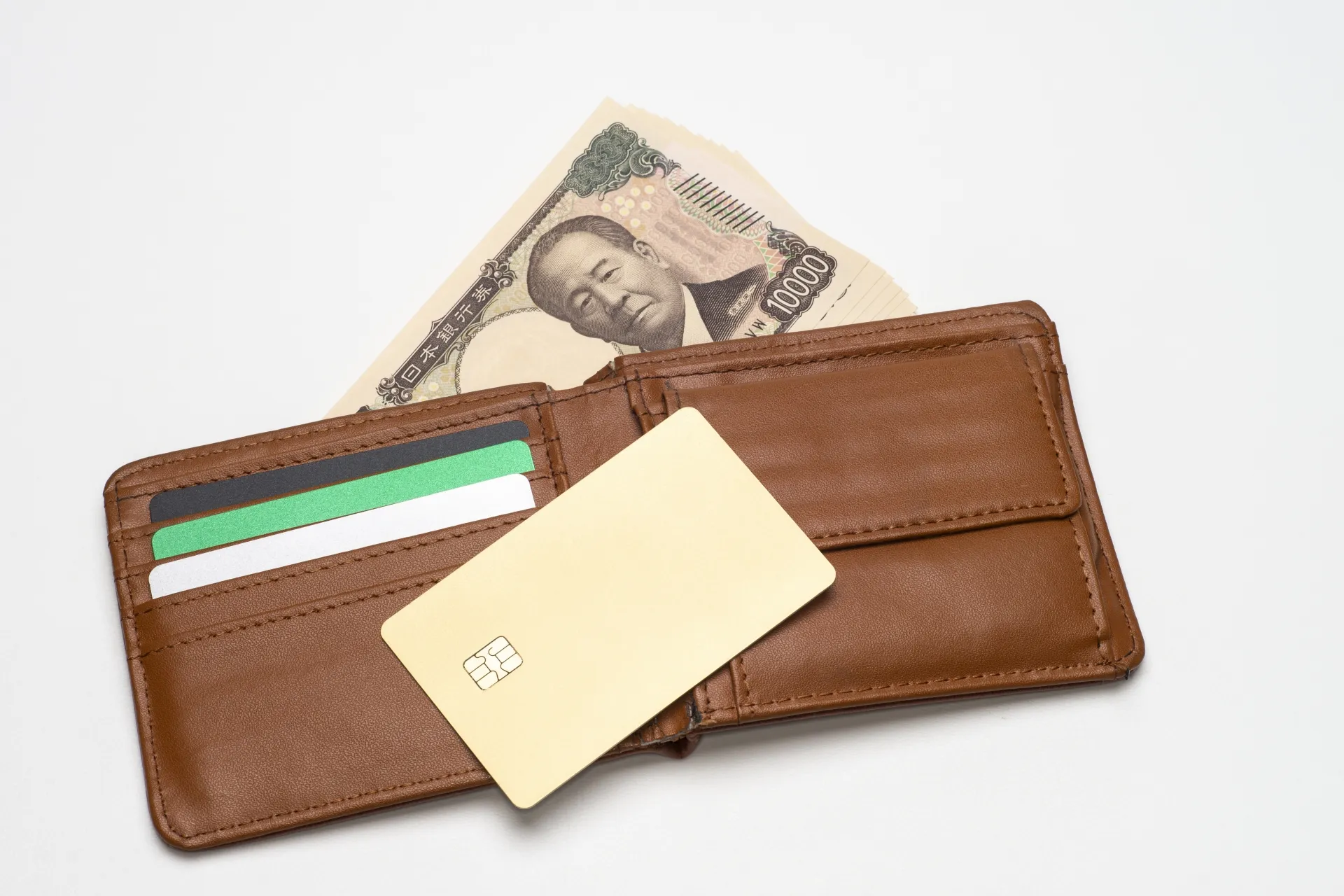
Sometimes, but not reliably. Cities take cards almost everywhere; villages often don’t. Family inns, local buses, and small eateries are frequently cash-only, and some rural ATMs reject foreign cards outright. Treat your card as a backup and cash as the default once you leave the main lines.
The gap between city and countryside is bigger than most visitors expect. In Tokyo or Kyoto you can tap a card all day; two hours out, a family inn may only take cash, the bus driver wants coins, and the nearest machine that accepts your card is back in the last town. Plan for cash and be pleasantly surprised when a card works — not the other way around.
Which ATMs accept foreign cards?
Two are reliable nationwide: Japan Post Bank (ゆうちょ) ATMs, found at post offices, and 7-Eleven (Seven Bank) ATMs. Both take most foreign Visa and Mastercard. Other convenience-store ATMs often work too. Withdraw while you’re still in a town — deep-countryside machines may reject foreign cards or simply not exist.
Not every Japanese ATM accepts foreign cards — many local bank machines don’t. Stick to these:
| ATM | Where | Foreign cards | Hours |
|---|---|---|---|
| Japan Post Bank (ゆうちょ) | Post offices, nationwide | Yes | Limited — often closed evenings/weekends at small branches |
| 7-Eleven (Seven Bank) | 7-Eleven stores | Yes | Usually 24 hours |
| Other conbini (Lawson, FamilyMart) | Convenience stores | Usually | Usually 24 hours |
| Local/regional bank ATMs | Rural towns | Often no | Business hours |
Post offices reach even small towns, which makes Japan Post ATMs the rural workhorse — but watch their hours, as small-branch machines can shut in the evening and on weekends. 7-Eleven ATMs run around the clock but are scarcer once you’re deep in the countryside. The rule: top up at the last conbini or post office before you head into the hills.
Where is cash essential?
Assume cash for anything small or rural: family inns, local buses, small eateries, farm stands, temple and shrine fees, and coin lockers. Many take nothing else, and some need exact coins. Cards are for city hotels, chains, and larger restaurants — not the countryside’s everyday payments.
Keep coins and small notes on hand, because several rural situations need exact change:
- Local buses — often pay the exact fare in cash; drivers may not break large notes.
- Farm stands and unmanned stalls — coins into an honesty box.
- Small eateries — see eating in rural Japan; many are cash-only.
- Temple and shrine fees, and coin lockers — frequently cash, sometimes coins only.
What about taxis and buses?
They have opposite problems. Taxis usually take cards, so paying isn’t the issue — but in deep countryside there may be no taxi at all, so check what actually runs before you go. Buses are the reverse: frequently cash-only, often no IC cards, and change machines that break a 1,000-yen note but not a 10,000 — so keep coins.
Taxis: payment is rarely the problem — even many rural taxis now take cards. The real question is whether a taxi exists at all. Remote areas may have none, or service only by phone booking, so confirm public-transport and taxi availability in advance and keep your inn’s number handy.
Buses: cash is the rule, and many rural community buses don’t accept Suica or ICOCA. The onboard change machine will usually break a 1,000-yen note, but often refuses a 10,000-yen note — and drivers won’t give change from large bills. Carry coins and 1,000-yen notes so you can pay the exact fare. See reading Japanese-only bus timetables and how to avoid missing the last bus.
Do IC cards like Suica work in rural Japan?
Not dependably. IC cards (Suica, PASMO, ICOCA) are great for city trains, subways, and convenience stores, and work on many regional railways. But a lot of rural community buses and small shops don’t take them at all. Useful to have, but never your only way to pay in the countryside.
An IC card is worth carrying for the journey out — it smooths city transit and conbini stops — but the moment you’re on a small local bus or in a village shop, it may be useless. Cash, again, is the fallback that always works.
How much cash should I carry?
Budget about 10,000 yen per person per day for a rural trip, topped up at post office or 7-Eleven ATMs while you’re still in town. That covers meals, buses, and a cash-only inn with room to spare, so you’re never stranded where no machine takes your card.
- Tell your bank you’ll use your card abroad so withdrawals aren’t blocked.
- Withdraw yen at a 7-Eleven or Japan Post ATM while you’re still in a town.
- Break it into small notes and coins for buses, stalls, and unmanned stands.
- Keep about 10,000 yen per person per day, plus a buffer for taxis or emergencies.
| Where | Cards? | Plan |
|---|---|---|
| City hotels & chains | Usually yes | Card fine |
| Family inns / minshuku | Often no | Cash |
| Local buses | Rarely | Coins & small notes |
| Post office / 7-Eleven ATM | — | Withdraw here |
What if I run out of cash out there?
It’s a real risk, because the nearest working ATM can be far away. If you’re low, don’t head deeper in — withdraw at the last town’s conbini or post office first. In a pinch, ask your inn; some can help, but never count on it. The fix is prevention: carry a buffer.
Running dry in the countryside is genuinely inconvenient — there may be no machine that takes your card for many kilometers, and no card-friendly shop either. That’s why the buffer matters — withdraw enough in town, and keep a reserve for the unexpected.